
Study of the human iris
Iridology
In-class and Online
Iridology
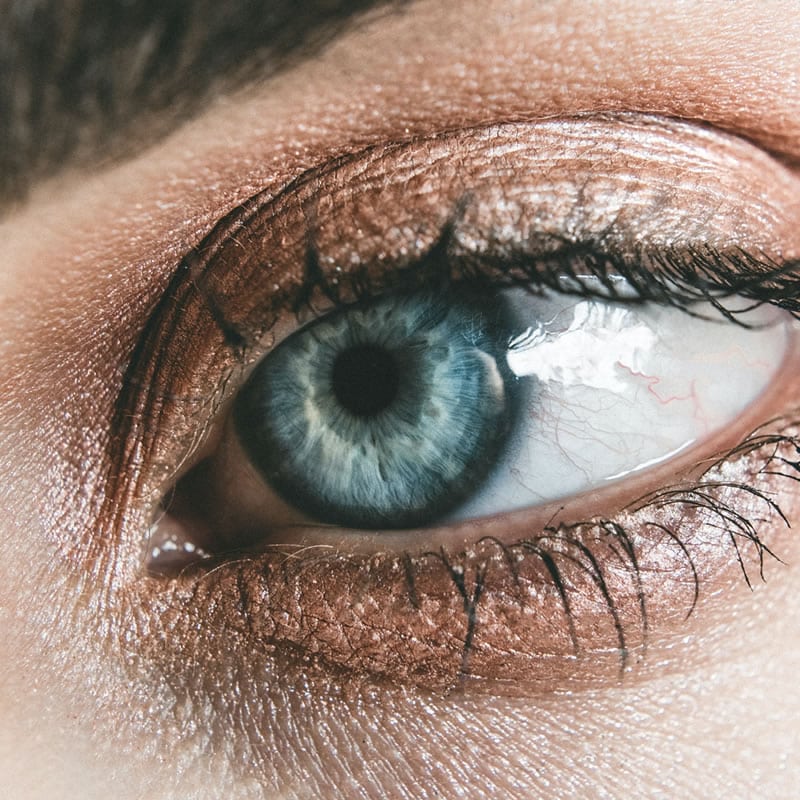
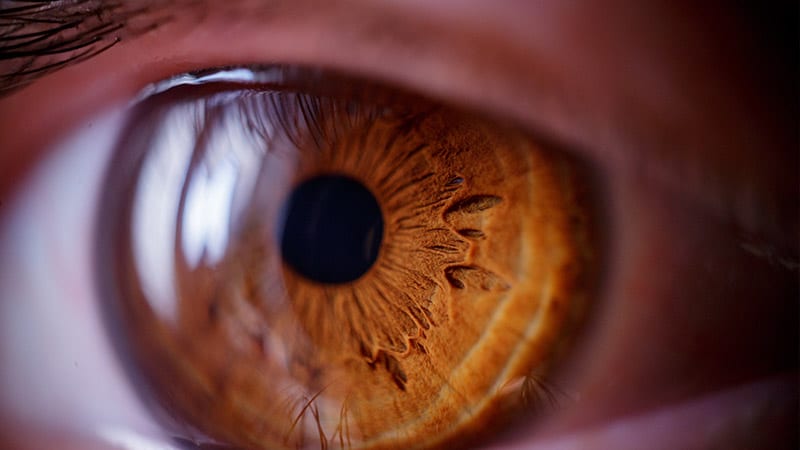
The human iris, with its endless array of different colours, fibres and topographical features is genetically determined evidence of an individual’s uniqueness. In fact, no two irises are exactly the same — much like a fingerprint.
The iris is regarded as an indicator of constitution, or the genetic make-up of the individual. The colour of your eyes, in combination with the pattern made by the fibres that make up the iris, are used to determine the kinds of health patterns that you are likely to develop during your life, and by implication, what you can do about them.
Iridology course(s) teach you:
How the human iris mirrors numerous levels of physical, emotional, social, mental and spiritual states.
What markings in the iris determine individual way in which a person ages and heals.
How to incorporate this quick, accurate, non-invasive, safe and painless health analysis into your practice.
How to create highly personalised cleansing and health building programmes.
Iridology — A Valuable Tool For Natural Health Practitioners
Iridology is the study of the patterns on the iris, one of the most intricate and fascinating tissue structures in the human body. Though it should never be used as a stand-alone diagnostic technique, iridology is an incredibly useful, completely non-invasive screening tool for holistic and natural health practitioners. Used alongside thorough case-taking, iridology can detect inherent individual predispositions, underlying constitutional factors and genetic traits, and potential health vulnerabilities of clients in their earliest stages. It can highlight pathways to ill-health, disclose hidden threats, and reveal strengths and true potential for self-healing.
Using iridology a practitioner can also:
- Identify areas in the body that have an accumulation of toxins and are over-acidic; injury; inflammation; or degeneration.
- Spot nutrient deficiencies, the quality and condition of the nervous system, patterns of personality, and how a client endures stress.
- Recognise under-activity or sluggishness of the bowel and adrenal suppression.
Become a Qualified Iridologist
What our students say
“I fell in love with Iridology in our Naturopathic studies course, and I am so happy that I did an Advanced course in Iridology later on. Here with more in-class practice and expanded lectures on various conditions, I gradually gained more confidence in my iris diagnosis. As an Acupuncture student at CNM, I learnt from our lecturer Peter and herbalist classmates about the herbs and colourful lifestyle advice I could give to patients. While pulse reading and tongue diagnosis give a world of information about one’s condition, I think it’s great to have an extra diagnostic tool under your belt.”
Goolnora B.
What our students say
“Having enjoyed the Iridology classes as part of Naturopathic Studies, I decided to enrol on the Advanced Iridology Diploma course to deepen my knowledge and understanding of this fascinating diagnostic tool. We covered a huge amount of in-depth detail as well as learning about how the emotional and psychological signs can further support the reading of the iris.”
Lucy C.
Iridology Study Programme
Iridology is a postgraduate study and consists of two levels:
- Certificate Course in Iridology (in-class/online)
- Diploma Course in Iridology (in-class)
The Certificate Course in Iridology is open to anyone who has a recognised qualification (at least Level 3) in anatomy, physiology and pathology. Upon completion, students are awarded a Certificate in Iridology.
The Diploma Course in Iridology is open only to students who have achieved (or are in the process of studying for) the relevant qualifications to practise as natural therapists and qualified practitioners regardless of therapy, e.g., nutritionists, herbalists, Traditional Chinese Medicine practitioners, acupuncturists, osteopaths, chiropractors, homeopaths, medical doctors, etc, (excludes Health Coach diploma). Upon completion, graduates are awarded a Diploma in Iridology.
What do the Certificate and Diploma Iridology courses cover?
Certificate Course in Iridology – 3 weekends or online:
- Theory and history of iridology.
- Anatomy of the eye and iris.
- Iris topography and iris map.
- Iris constitutions, physiological implications and therapeutic strategies.
- Recognition and interpretation of different signs and markings in the iris, pupil and sclera.
- Contraindications of iridology and treatment principles.
- Dynamics of one-to-one consultation and case taking.
Diploma Course in Iridology – 3 weekends:
- Detailed, Diploma constitutional iridology.
- Quick recognition of pathological portraits and therapeutic interventions.
- Subtypes and syndromes.
- Clinic and case management.
- Ethical aspects of iridology.
- Reporting and communicating with other medical professionals.
- Photography and equipment review.
- Clinical practice and empowering the client.
About the lecturer
Peter Jackson-Main mANP rGNC
Qualifications: Master of Herbal Medicine. Diplomas in Herbal Medicine and Natural Healing, Naturopathy, Iridology and Polarity Therapy.
Background: Peter has been teaching at CNM since 2003 and is the Course Director for Herbal Medicine, the Academic Director, and the Head of Research at the College. He also teaches Iridology and has been in practice in Natural Medicine since 1980. Peter is the author of the popular book Practical Iridology, which is a core text for the CNM Naturopathy course.

Who should take the Certificate and Diploma Course in Iridology?
Iridology certification may be useful to traditional health care practitioners as well as holistic and naturopathic health professionals, especially those interested in preventative, environmental and functional medicine. Iridology reveals the nutritional and biochemical needs of the body, the location of environmentally obtained toxins, over-acidity, the condition of the nervous system and the patient’s response to treatment.
It provides an opportunity to create highly personalised cleansing and health-building programmes.
Upcoming in-class courses
Certificate Course: 13th and 14th April; 11th and 12th May; 8th and 9th June 2024 (from 10 am to 6 pm)
Advanced / Diploma Course: 21st and 22nd September; 2nd and 3rd November, 30th November and 1st December 2024 (from 10 am to 6 pm)
Location: CNM London, 25 Percy Circus, WC1X 9EU
How to Apply
- Download and return the Post-Graduate Courses enrolment form.
- If you have questions, or for more information on pricing, discounts and other conditions, please phone +44 (0)1342 410 505, use contact form or email ShortCourses@naturopathy-uk.com.
Awards
- CNM Certificate in Iridology
- CNM Diploma in Iridology
Recognition
CNM Diploma in Iridology is accredited by the Guild of Naturopathic Iridologists International (GNII) and the Association of Naturopathic Practitioners (ANP)
Registration with GNII enables graduates to obtain insurance and practise iridology professionally.
