Traditional Medicine from a Christmas Tree?
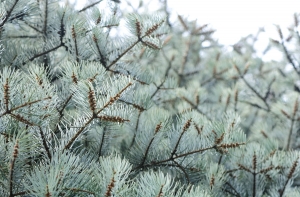 Our beloved Christmas trees are filling our homes again with festive cheer and the fresh smells of the forest.
There are so many trees used for Christmas (pines, spruces and firs) and of all these, the white fir especially holds so much more in store for us than just its beauty and tradition.
The white fir (Abies alba) has been used in traditional medicine in Europe and North America for centuries and produces a clear essential oil which has a fresh, softly balsamic scent and is very invigorating.
Read more
Aromatherapists say the woody scent of fir makes people feel happy. During the winter season when daylight hours are short, the traditional European Yule log and Christmas tree were brought into their homes to prevent depression.
Emotionally, white fir essential oil evokes feelings of stability, energy, and empowerment, has a calming effect while stimulating the senses.
As with all essential oils derived from trees, this is a very grounding oil that makes you feel rooted, empowered and uplifted at the same time. It leaves you feeling emotionally stable and strong enough to weather the storms
The topical uses of white fir essential oil include antiseptic uses, pain relief for aching muscles and stimulation of the circulation and detoxification of the body via the skin. One of the most well-known uses is in the improvement of respiratory function by supporting the loosening of bronchial mucous as well as anti-inflammatory effect on the throat and bronchi. Another less well known effect is that of stimulating the metabolism and stimulating digestive function and heart rate. Last but not least, the pleasant smell of fir needle essential oil can be wonderful for people who suffer from body odour, leaving us smelling fresh as the forest!
Popular Uses:
Diffusion: Use three to four drops in the diffuser of your choice.
Topical use: Apply one to two drops to desired area.
Apply to cold, achy muscles and joints during winter time.
Diffuse or apply to chest to promote clear breathing.
Add 1–2 drops to a hot bath to relax aching muscles and breathe in the cleansing aroma.
Diffuse to reduce mental fatigue at work.
CAUTIONS:
Possible skin sensitivity. Keep out of reach of children. If you are pregnant, nursing, or under a doctor’s care, consult your physician. Avoid contact with eyes, inner ears, and sensitive areas. Do not ingest.
 This tip comes to you from Nutritional Therapist Johanna Benseler.
Alternative Christmas Menu
 Whilst Christmas is a great time for gatherings, it can leave cooks struggling, especially with so many people now making different dietary choices, or being intolerant to certain foods!
These delicious course ideas are for guests who are vegan, or dairy or gluten intolerant, but if you use ready-made stocks or sauces, always check the label before use! Opt for organic ingredients which are GM-free, to cut down on the potential for allergic reactions.
Read more
Starter
Roast a head of garlic for 20 minutes at 220C. When cool squeeze the cloves into a blender with 140 ml sunflower oil, 4 tbsp. cider vinegar, the juice of two oranges, 1 tsp. each of grain mustard and tamari sauce. Place in an airtight container and store in the fridge.
When ready to serve, peel, pit and thinly slice an avocado – dip in the dressing so it keeps its colour, then segment 2 oranges and combine with ½ cucumber and lettuce leaves of choice. Drizzle a few tablespoons of the dressing over the top to serve.
Main course
Try this holiday version of a nut loaf for the non-meat eaters. Preheat the oven to 180C. Sauté a finely chopped medium onion with 2 minced cloves of garlic, 500g of chopped mushrooms, 115g chopped cashews and 115g chopped walnuts for approx. 10 minutes. Meanwhile, combine 125ml marsala wine with 1 tbsp. of corn flour, the juice of a lemon, 40g of oat flour, and ¼ tsp. each of dried rosemary, dried thyme, salt and lots of freshly ground pepper. Pour this into the pan with the nuts & mushrooms and cook until the mixture thickens. Line a 9 x 5 x 3-inch Loaf Pan then press in the mixture and bake for 30 minutes. So that everyone can partake of the veggies, steam them, or cook them in coconut oil, or sauté them in gluten-free vegetable stock.
Dessert
For a rare treat, try this sublime orange chocolate mousse! Drain and pat dry 340g of extra firm silken tofu, then blend with ½ tsp. of orange extract and 60mls maple syrup. Gently melt 130g of dark chocolate and combine with the tofu. Pour into pretty dishes and pop in the fridge to set. Serve topped with toasted almonds and orange zest.
Happy Christmas!
 This tip comes to you from Nutritional Therapist Georgie O’Connor, who lectures in Nutrition at CNM.
Homeopathic remedies for Childhood Fevers
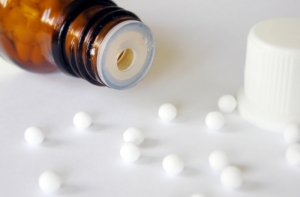 Homeopathy is fantastic when children become unwell and we don’t immediately want to resort to conventional medications. It’s a gentle alternative medicine with no side effects, and it can be used for anyone, including pregnant women, newborn babies and children.
Homeopathy stimulates the body’s own healing mechanism, resulting a in a deeper and more permanent recovery. Homeopathy can be safely used when managing a fever. Rather than reducing the temperature, which could interrupt the natural processes, remedies will help the child to settle and become more comfortable.
Read more
In normal circumstances, a child’s temperature is unlikely to go over 106C (41.1F) even without using homeopathy. Constitutional treatment, (homeopathy used when the child is well in order to boost the whole system), can apparently prevent seizures in children who are prone to them.
According to NICE guidelines1, paracetamol preparations such as Calpol should not be used simply to reduce a fever, or to prevent febrile convulsions2.
In homeopathic philosophy a fever is a wonderful thing! It’s a sign of good vitality and immunity, and represents a ‘clear out’, which helps the child to become stronger afterwards.
Three remedies that can be used to make a child more comfortable during a fever:
Aconite 200c
- Fever after a shock or getting chilled
- Fearful and anxious with a strong, fast pulse
- Alternately pale or flushed
- Sweaty on clothed parts
- Thirsty, although they may complain that drinks taste bad.
Belladonna 200c
- Fever after getting head wet (and other causes)
- Glassy eyes, dilated pupils, red face
- Starts suddenly at 3pm
- No sweat
- Body radiates heat, hands and feet cold
- Worse movement or jarring
- Febrile convulsions
Chamomilla
- Fevers from teething and anger
- Unbearable pains, inconsolable
- Very sensitive
- Face hot, body chilly
- One cheek red, the other pale
Put a pill of the chosen remedy into a bottle of water and have the child sip it regularly while awake. If there is no improvement within 12 hours, try a different remedy.
See your health professional for individualised advice.
 This tip comes to you from Homeopath Poppy Altmann, LCPH RSHom. who teaches on CNM’s Short Course on Homeopathy for Babies and Children.
1 http://www.ncbi.nlm.nih.gov/pmc/articles/PMC2151818/?tool=pubmed
2 http://www.healthy.net/Health/Article/Healing_With_Homeopathy/598
Try this Post-Exercise Smoothie
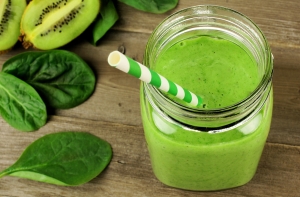 Try this Spinach & Ginger green smoothie as a POST EXERCISE RECOVERY DRINK, high in anti-oxidants with the anti-inflammatory properties of spinach and ginger to aid recovery!
The spinach, chia seeds and coconut water provide a good helping of electrolytes (essential for rehydration, muscle and organ function and to prevent cramps).
Read more
Spinach & Ginger Smoothie (Serves 1)
- 100g spinach
- 2 inches of ginger (peeled)
- 1/2 medium apple, steamed, with peel left on
- 2 tbsp. chia seeds (ground if possible)
- 1 heaped tbsp. nut butter
- 1 cup (250ml) of coconut water, or water or apple juice
- 2 tsp honey or 1/2 a banana
Method:
- Chop apple (with peel on) and steam for approx. 4 mins (until soft)
- Peel ginger
- Grind chia seeds in coffee grinder or use whole (optional)
- Place all ingredients in a blender and blend to desired consistency (adding more fluid to taste)
- Serve and enjoy!
 This tip comes to you from CNM Graduate Bernadette Keogh, who is a Nutritional Therapist specialising in sports nutrition. To find out more about CNM’s complete range of Diploma and Short Courses, click here
Acupuncture is good for back pain
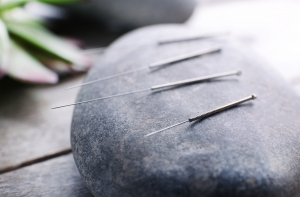 Acupuncture is the insertion of tiny needles into certain points on the body, for the treatment of illness. It has been practised for over 2000 years in China, and is becoming ever more popular in the West.
It is estimated that over one million treatments are given per year in the UK. Back pain is one of the most common conditions which acupuncture is used for: as an acupuncturist I treat many people with the condition.
Read more
The traditional explanation as to how acupuncture helps lower back pain is that it unblocks the pathways of ‘qi’, or ‘vital energy’. Blockages may be caused by bad posture, stress, poor diet, or injury. Modern scanning techniques, using PET scanners, have shown that the acupuncture pathways are channels along which sub atomic particles, called positrons, flow. The research has also shown that the insertion of acupuncture needles into certain points stimulates the pain control centres in the brain, blocking the pain signal. Acupuncture has also been shown to release endorphins, chemicals which reduce pain.
In 2009 the Government’s health watchdog NICE (the National Institute for Clinical Excellence) published a report which looked at the evidence. It examined seven studies which had been done on low back pain. Treatments were given once or twice per week for between four and twelve weeks. The groups varied in size, some with several thousand participants. Some studies compared real acupuncture with ‘sham’ acupuncture, where the needles are deliberately placed in the wrong area.
The report concluded that ‘acupuncture needling is beneficial in reducing pain and improving function’ (p156). In other words, as well as reducing pain, acupuncture helped people get back to work, and get on with their lives.
The report also said that ‘acupuncture costs less and is more effective than usual care’ (p156). The ‘usual care’ often consists of taking non–steroidal anti–inflammatory drugs (NSAIDs). However, these often cause serious side effects: listed by the NHS as indigestion and stomach ulcers. Long-term use can cause anaemia, gastro-intestinal bleeding, and the development of holes in the wall of the intestines. This can allow toxins to enter the blood and create serious long term health problems. On the other hand, acupuncture has positive side effects: patients often report improvements in sleep, mood, and energy. This is because acupuncture treats the whole person, not just the symptoms. Back pain is often a reflection of other imbalances in the body. For example, stress or exhaustion can lead to a build-up of cortisol in the blood, which can lead to inflammation and pain, and prevent the body healing damaged tissue. Acupuncture has been shown to be effective in treating stress, and reducing cortisol levels, thereby reducing pain.
So, the evidence is clear: acupuncture can be an effective way to reduce back pain and improve mobility. Acupuncture can not only treat pain successfully, but also be efficient for many other complaints, and in helping regain vitality and health. An extra advantage of Naturopathic Acupuncture, which is not covered in the report, but which is taught at CNM, is that qualified practitioners are able to give advice on making dietary and lifestyle changes, which can maximise the beneficial effects of Acupuncture needling, and so help prevent further difficulties.
 This article was written by Henry McGrath, Academic Director and Acupuncture Course Director at CNM.
Top tip for increasing energy
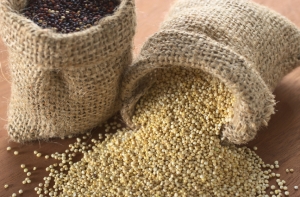 Quinoa – Superfood for Sports Stamina. Quinoa (pronounced keen wa) dates back to the Incas, who used it as a food to boost the stamina of their warriors, to allow them to run long distances at high altitudes.
It was called “the mother grain”, although quinoa is not a true grain, but a seed, similar to amaranth. There are actually 3,000 different varieties of quinoa, but only two have been commercialised in the past decade.
Read more
So how is this tiny pseudo-grain going to enhance your sports stamina?
- Well for a start it is packed with B vitamins which are essential for energy metabolism.
- A low GL carbohydrate with slow energy release, quinoa supports sustained performance.
- Contains double the protein of brown rice – 14g per 100g. Protein is important for endurance athletes as it is needed to repair and replace damaged muscle during training. Also, quinoa contains all 9 essential amino acids.
- A good source of iron, an important nutrient for energy and stamina. The iron requirements of both casual athletes and serious athletes are greater than iron requirements of sedentary people.
- Low iron leads to fatigue.
- 100g of quinoa provides 50% of your daily magnesium requirement! This mineral is involved in ATP production (the chemical compound that breaks down to release the energy responsible for muscle contraction). Low levels of magnesium can lead to early fatigue and nausea – things that an endurance athlete wants to avoid.
- Quinoa is also high in zinc – an important nutrient for the conversion of food for fuel. There is an increased need for zinc in athletes.
- Gluten-free, quinoa is easier to digest than other grains – such as wheat and rye – and therefore less allergenic. Gluten allergies and sensitivities can lead to fatigue.
- With a slightly nutty flavour, quinoa can be used as a rice or pasta alternative and can also be added to yoghurt with nuts and seeds to create a delicious breakfast alternative.
With a slightly nutty flavour, quinoa can be used as a rice or pasta alternative and can also be added to yoghurt with nuts and seeds to create a delicious breakfast alternative.
This tip comes to you from CNM Graduate Bernadette Keogh, who is a Nutritional Therapist specialising in sports nutrition. To find out more about CNM’s complete range of Diploma and Short Courses, click here
Top tip for balancing your hormones
 Excess Oestrogen or ‘Oestrogen Dominance Syndrome’ is one of the many feminising environmental issues of today. Much can be done to manage, alter and negate this unavoidable presence in our lives that affects both men and women.
We need to learn how to re-set the balance using specific foods, herbs, and naturopathic lifestyle practices such as stress busting ideas and exercise, liver clearance, bowel regularity and seasonal cleansing of eliminatory channels.
Read more
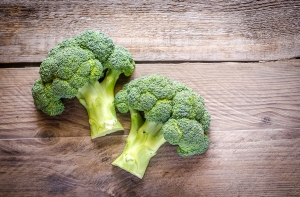
Cruciferous vegetables like broccoli, cabbage, kale, beetroot, horseradish, mustard and watercress, contain naturally occurring chemicals that are literally lifesavers, e.g. indole-3-carbinols, sulforaphanes and other glucosinolates. (Both John Hopkins in Maryland USA and John Inness, Norfolk in the UK have done extensive research in this area and you can google this if you are interested.) The reason this cruciferous family is of so much interest is because the above bio-chemicals can help to both (a) switch off and (b) help excrete carcinogens, whilst aiding the overall excretion of unwanted oestrogen.
Why not sprout your own cruciferous or ‘cabbage family’ plants? This can be a quick way of getting concentrated amounts of these chemicals into your system, as each sprout contains as many highly prized phytochemicals as an entire plant and at a meal we frequently consume 50 of them! These sprouts do not just help fight and detox our carcinogens, they help create a more functional, healthy and active immune system.
Try sprouting radish, mustard, broccoli and cabbage (red and green) and with three tiers on my sprouter, this is easy. The peak of the sprouts’ glucosinolate levels is after 6 days, 3 days of which are as a ‘sprout’. So harvest and consume around this time frame (according to heat levels and season) but when sufficiently sprouted. Of course, enjoy and keep consuming radish, cabbage etc on a daily/weekly basis as a vegetable for all the other phytonutrients and fibre. For sprouters and organic seeds try www.livingfood.co.uk
 This tip comes to you from Jill R. Davies, HNH, Phd, FAMH, who is a qualified herbalist and naturopath of over 30 years. She is the author of 14 books on herbal medicine. Jill lectures in naturopathy and herbal medicine at CNM
Beat that food intolerance!
 The number of people suffering from food intolerances has risen sharply in the last 20 years.
Discovering your food intolerances can be an important part of re-balancing both nagging and long-term symptoms.
Read more
Do you ever suffer from:
- Tiredness
- Bloating
- Lack of energy
- Inability to lose weight
- Eczema
- Joint pain
- Depression and anxiety
- Gas and wind
- Headaches and migraines
- Unexplained tummy pains
- Spots and acne
- Constipation and diarrhoea
- Hyperactivity in children
- ‘Glue ear’ in children
- and feeling ‘one degree under’?
Then food intolerance could be part of your problem!
Healthy eating is only ‘healthy’ if you’re not intolerant to any of your food. Your body is biochemically different to everybody else’s – you’re unique and a diet which works for one person can be a disaster for another. The old saying “one man’s meat is another man’s poison” is very pertinent. So identifying food intolerances which are individual to you can be extremely helpful.
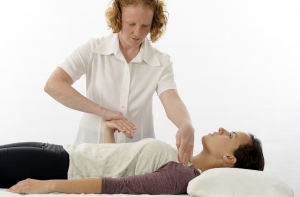
Kinesiology is a wonderfully quick, efficient and accurate method of identifying exactly which foods your body is absorbing well and which foods it’s struggling to tolerate, therefore contributing to symptoms. It uses non-invasive, manual muscle testing and the results are immediate. You’d be amazed how previously strong muscles become weak when a food someone is intolerant to is placed on their body.
Eating the wrong diet for you can lead to physical and mental problems, affect your appearance, alter your behaviour and limit your life. So find out whether your diet is doing you more harm than good, start to live again and beat that food intolerance!
 This tip comes to you from Alison Manos, Kinesiologist and lecturer on CNM’s Kinesiology Foundation course.
‘Spring clean’ your lymphatic system for free – with a weed!
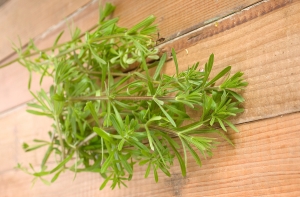 Collect a bunch of the ‘weed’ called Cleavers, which you’ll find growing almost everywhere in the UK in April and May. (See below for information on how to recognise the plant.) The most convenient and freshest way to take Cleavers is to have what is called a cold infusion.
Pull or cut a handful of the herb, rinse well, and chop coarsely into pieces. Pour cold water over the plant, cover and leave to sit overnight. In the morning, strain off a cup of the liquid and drink it. It is a beautiful pale blue-green colour with a mild taste.
Read more
If you are not on any medication you can drink up to 3 to 5 cups per day, for up to one week. If you want to take any more, or if you are on medication, you should consult your health practitioner to check for any interactions and as longer term use of diuretics can deplete potassium levels.
What does it do?
Cleavers is a fantastic spring cleanser because it is believed to support the lymphatic system. The lymphatic system is an often overlooked system in the body which contributes to keeping us healthy by removing larger unwanted molecules which the blood cannot easily accommodate. When the lymphatic system becomes congested phlegm and mucous can more easily accumulate, for example, leaving you with signs such as a nagging cough after a winter cold or an allergy, or even such chronic conditions as Fibrocystic Breast Disease. In Traditional Chinese Medicine, phlegm accumulation is considered a major contributor to long term chronic disease. Cleavers may help clear residues by giving the lymphatic system a kick-start. It is also a diuretic, thus supporting the kidneys to flush toxins from the system, reducing water retention, and through this cleansing action, could also help improve some skin conditions. It was also used traditionally to calm the nerves. By improving the health of the lymphatic system you are boosting your body’s immunity overall.
How to recognise the plant:
Cleavers (the Latin name is Galium aparine) is a classic British weed. It’s the famous ‘Sticky Willy’ which always grabs your clothes when you are out for a country walk. It often grows alongside another fantastic medicinal ‘weed’ – the Stinging Nettle. From April to the end of May it grows prolifically in gardens, as well as near hedges, field edges, park borders etc, in fact any where it can grow quite tall by hooking on to another plant for support. Be sure to choose carefully where you pick your plants, away from polluted roads or pesticide sprayed areas. Cleavers typically has delicate stems which grow up to 1.5m. Every few centimetres along the stems are ‘rings’ of splayed, slender leaves. By the end of May, it starts to seed so you can’t use the fresh plant any more.
Cleavers has a wonderful cleansing and calming nature about it, and my morning cold infusion is always a part of my spring routine which I look forward to after a long winter. Personally I find it inspiring that you can make something for yourself that’s extremely effective and completely free, courtesy of nature!
Alternatively you can take Cleavers as a dried leaf tea in a hot infusion, or in tincture form, available through a herbal supplier.
See your natural health practitioner for any health related queries
 This tip comes to you from Dana Kraft, a CNM trained Naturopath and Herbalist who practices Internationally.
Cell salts for stronger nails and hair
 For some people lacking the mineral Silica, one of the first signs of deficiency will be nails splitting, and hair lacking lustre and shine. Try taking the cell salt ‘silica’.
Take three silica tissue salts three times a day for one month. Watch and wait, and you will soon understand why so many women have reported their nails growing long and strong, and their hair texture being shiny and healthy.
Read more
Cell salts or tissue salts, as they are otherwise known have been in use for 200 years. Dr William Schuessler, who was a Doctor, Chemist and Physicist in the 19th Century, discovered them. He ascertained that there are 12 minerals occurring naturally in the body and the lack of any one or some of these minerals can cause disease.
In today’s first paced, modern world our bodies and minds are under stress, exposed to pollutants, bad diet, and many other factors affecting our health. This can lead to a depletion of these minerals and symptoms occur. If there are symptoms of ‘dis –ease’, then we need to supplement the minerals in order to build new and healthy cells. These 12 tissue salts provide these minerals in tiny doses that the body can utilise easily. They are not drugs and they are harmless, they occur naturally in the body. Anyone, including the old, the young, pregnant women and babies can all use them safely. You can buy them from Homeopathic Pharmacies and good health stores.
Of course, there may be other reasons why your nails and hair aren’t strong. Addressing your general diet is important, too. See your health professional if the problem is concerning.
See your health professional for personalised advice.

This tip comes to you from Homeopath Susan Marmot, who lectures on CNM’s short course ‘Homeopathy for Everyday Living‘.
Chia Bia – Superfood for Athletes
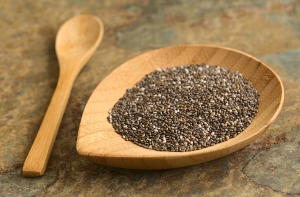 So what’s all the hype about Chia Bia? This tiny seed, once a staple of the Aztecs diet, offers the athlete a premium source of energy, high fibre and complete protein for muscle and tissue regeneration.
It is an ideal superfood for any athlete to include in their diets, and here’s why. Chia Bia is a high energy food with a slow and sustained energy release – beneficial for cardiovascular and resistance training as it raises and maintains energy levels.
Read more
On top of this, Chia seeds contain twice the potassium content of bananas! Potassium, an important electrolyte, is responsible for regulating the water in the body and is lost through sweat during exercise. Potassium is also involved in controlled and automatic muscle contractions.
Chia seeds are a complete protein, containing all essential amino acids in the correct ratios and containing 19 amino acids in total. Protein is required by both strength and endurance athletes to repair muscle damage, maintain the immune system, repair red blood cells which carry oxygen to the muscles, and stimulates the secretion of glucagon, the hormone that allows the body to burn fat as fuel (an adaptation that is highly beneficial for long distance endurance athletes).
These seeds have the highest profile of Omega-3 ALA fatty acid than any other plant source (4g per 2 tbsp serving) – even higher than salmon! Omega 3 is known to reduce inflammation in the body, which is useful for athletes. If inflammation remains elevated after exercise, this can have a negative effect on muscle soreness and tissue repair.
High in fibre, Chia seeds keep the digestive system healthy and aid detoxification. Their fibre also helps to prolong hydration due to their ability to retain 10-12 times their weight in water. This property will help athletes retain hydration and electrolyte balance.
You can buy Chia seeds ground or whole from most health food stores. With a nutty flavour, they can be added to smoothies, cereals or yoghurt.
See your health professional for personalised advice.
This tip comes to you from CNM graduate and sports nutrition specialist, Bernadette Keogh
Keeping your ecosystem healthy
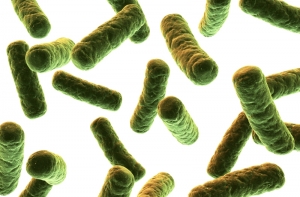 Microscopic organisms or ‘microbes’ are always living with us – both on and in our body, keeping our body’s ecosystem in balance for good health. Any disruption in these organisms can have drastic health implications, and without them, we would die.
So what can you do to help them keep us healthy? Most importantly, try and avoid using antibiotics unless essential, as these have a dramatic influence on our natural microbes!
Read more
Giving birth naturally also plays a huge part in the microbes that will first colonise a new-born, and set them up for life. To encourage the growth of healthy microbes, eating food such as yoghurt, miso and sauerkraut can be good. Supplementing with probiotics is also good, and is especially important if you have taken or are taking antibiotics. Any disruption to your gut function will start to disrupt your gut bacteria, so making sure your digestive system is happy is essential. If you have allergies or intolerances that affect your gut and give you symptoms such as bloating or diarrhoea these will also be harming your good bacteria.
Get advice on the right level and type of supplementation for your individual health status by seeing a Naturopath or Naturopathic Nutritional Therapist.
See your health professional for personalised advice.

This tip comes to you from Sacha Marison, who is a Naturopath and Nutritionist. He lectures in Nutrition at CNM, where he is also Director of Biomedicine.
Energise – using Nettles!
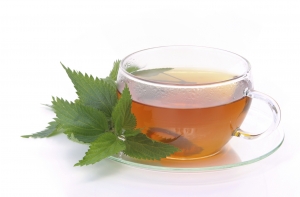 Spring is on its way, and already the nettles are peeping through with their first leaves. We can start picking these now to help support our adrenal glands, which are directly responsible for the mobilisation of energy and the regulation of our body’s metabolism.
Nettles’ broad list of vitamins, minerals, trace elements and other nutrients, which are at their height in Spring, supports almost every organ and system of our body, whilst vitally feeding our adrenal glands.
Read more
Pick them fresh, wearing gloves to avoid their sting, and pick from a place where there are no contaminants, avoiding the roadside or anywhere that might have been sprayed. Nettles lose their sting when heated, and you can cook and eat them like spinach, or make nettle tea to drink daily.
The best way to make a really powerful nettle tea, is to pour a mug’s worth of boiling water on to a large handful of washed and chopped nettle leaves, and let them steep for at least 20 minutes, or overnight. If left overnight and you wish to drink it warm, simply add more hot water in the morning. If you are unable to pick your own nettles, or can’t find the young leaves bursting with chlorophyll and Spring-rich biochemistry, then buy loose herbal tea or powdered nettle from a herbalist. With the powdered nettle, add a teaspoonful into a smoothie.
See your health professional for personalised advice.
This tip comes to you from Herbalist, Naturopath, and CNM lecturer, Jill R. Davies, who is the author of 14 books on herbal medicine.
Rose Essential Oil
 Rose is widely considered to be the most beautiful flower in the world. The many traditions associated with rose can be traced back thousands of years and through many civilizations, including the Greeks, Romans and of course the Egyptians, where famously, Cleopatra used it to beautify herself and to help seduce her lovers.
Aromatherapy oils or essential oils are a great ingredient to add to your homemade cosmetics, boasting numerous emotional and physical benefits. The oils work in three ways; Sense of smell, inhalation, and absorption through the skin.
Read more
Rose is often referred to as the Queen of essential oils. It was probably the first flower ever to be distilled to create an essential oil, in Persia. It has a deep, feminine, sweet, floral aroma. Rose oil can be purchased in two forms; rose absolute and rose otto. Rose absolute is obtained by solvent extraction and is widely used in the perfume industry. Rose otto, sometimes referred to as attar of rose, is delicately steam distilled and is used for therapeutic purposes, and is the more costly of the two.
A large quantity of rose petals is required to extract a small amount of oil. Harvesting by hand makes rose a very expensive essential oil. However, it is highly concentrated, so only a small amount is necessary to have a therapeutic effect. We shall be using rose otto essential oil in the rich night cream recipe in CNM’s upcoming Short Course in Natural Skincare, and we shall be incorporating rose water in two of our recipes.
In skincare preparations rose oil can be used on any skin type but is especially valuable for dry, sensitive, dehydrated or ageing skins. Used on scar tissue or wrinkles, it aids in the regeneration of new cells, and it has renowned skin brightening properties. Rose oil has soothing and anti- inflammatory properties, and has been known to have an astringent effect on capillaries, lessening high colour.
Emotionally, many people find rose oil deeply nurturing and use it to help alleviate depression, grief, anxiety, stress, anger and fear. Rose oil was also traditionally thought of as a tonic for the heart and as having an affinity with the female reproductive system, including symptoms of PMT, menopause and irregular periods. Not forgetting that rose is the oil of love and has reputed aphrodisiac properties, boosting self confidence and libido!
You can use essential oil of rose at home in many ways: massage oil, bath oil, body moisturiser, facial cream, luxurious lip balm or in hand and foot softening products.
If in doubt about using any essential oil it is always best to consult an Aromatherapist or healthcare practitioner.
 This article is by Nutritional Therapist and Aromatherapist, Geraldine McColgan, who lectures on CNM’s short course on Natural Skincare.
Bio-boosting okonomiyaki (Photo by Martin Poole)
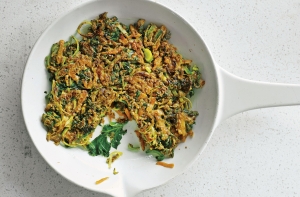 A type of Japanese egg pancake, this is perfect for a fast supper. It’s ideal for when you want something a bit naughty but still wholesome – a super-quick and tasty treat.
Using ingredients that are high in fibre and provide both pre- and pro-biotics, as leeks and kale do, helps digestive health from several angles, both short and long term.
Read more
SERVES 1
- 100g wholemeal flour
- 2 eggs, lightly beaten
- large handful kale, shredded
- 1 large carrot, grated
- 1 large leek, thinly sliced
- 2 tablespoons ground flaxseeds
- 1 teaspoon sesame oil
- 2 tablespoons soy sauce
- 1 tablespoon cider vinegar
- 1 teaspoon runny honey
- 2cm fresh root ginger, finely chopped
- 1/2 red chilli, finely chopped
- coconut oil, for frying
- sea salt and black pepper
- salad leaves, to serve
Mix the flour, eggs, kale, carrot, leek and flaxseeds together in a large mixing bowl. You should have a bowl of batter-coated vegetables. Season with salt and pepper.
Make a dipping sauce by mixing the sesame oil, soy sauce, vinegar, honey, ginger and chilli in a small bowl, then set aside.
Heat a large non-stick frying pan and melt a small amount of coconut oil in it, ensuring the oil coats the base of the pan.
Place several large spoonfuls of the vegetable mixture into the pan, and press down to form a pancake. Cook for 2–3 minutes before carefully turning them over. Repeat until the pancake is crisp and golden. Slice into wedges and serve with salad leaves and the dipping sauce.